

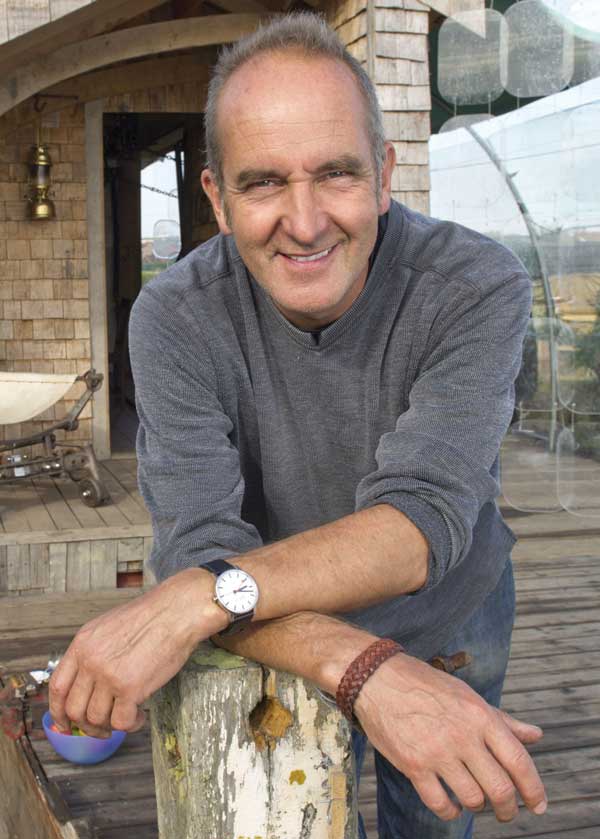
Designer, writer and television presenter, Kevin McCloud leapt into our consciousness with his vastly successful ‘Grand Designs’ show on Channel 4. This month, the affable architectural business owner talks about how you don’t have to spend a fortune to achieve the perfect kitchen.
In the world of kitchen design, the challenge often lies in creating a space that is both functional and aesthetically pleasing… without breaking the bank.
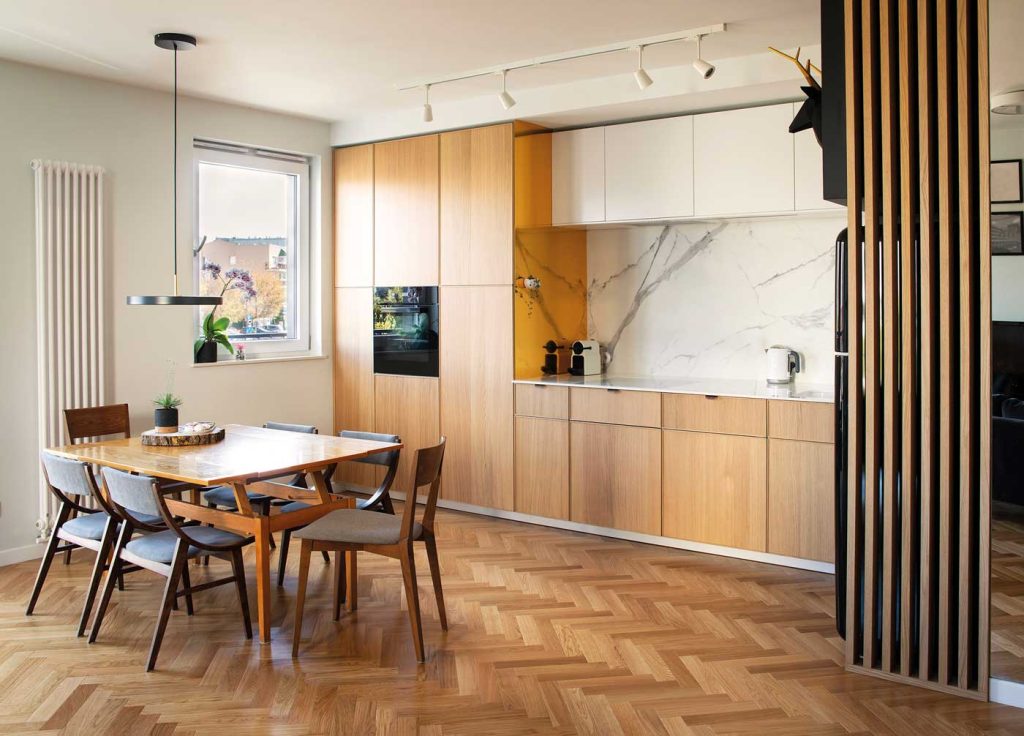
Firstly, consider the source of your kitchen components. IKEA, for instance, produces products known for their robustness which are backed by long guarantees, but there are countless others that come with good reputations.
When it comes to building the kitchen, even if you’re not the most skilled DIY person, assembling parts such as cabinets can be a satisfying project, whilst also bringing the added bonus of being able to save money.
A basic structure – including cabinet carcasses and door fittings – can be straightforward and allows you to invest more in standout pieces that elevate the entire look.
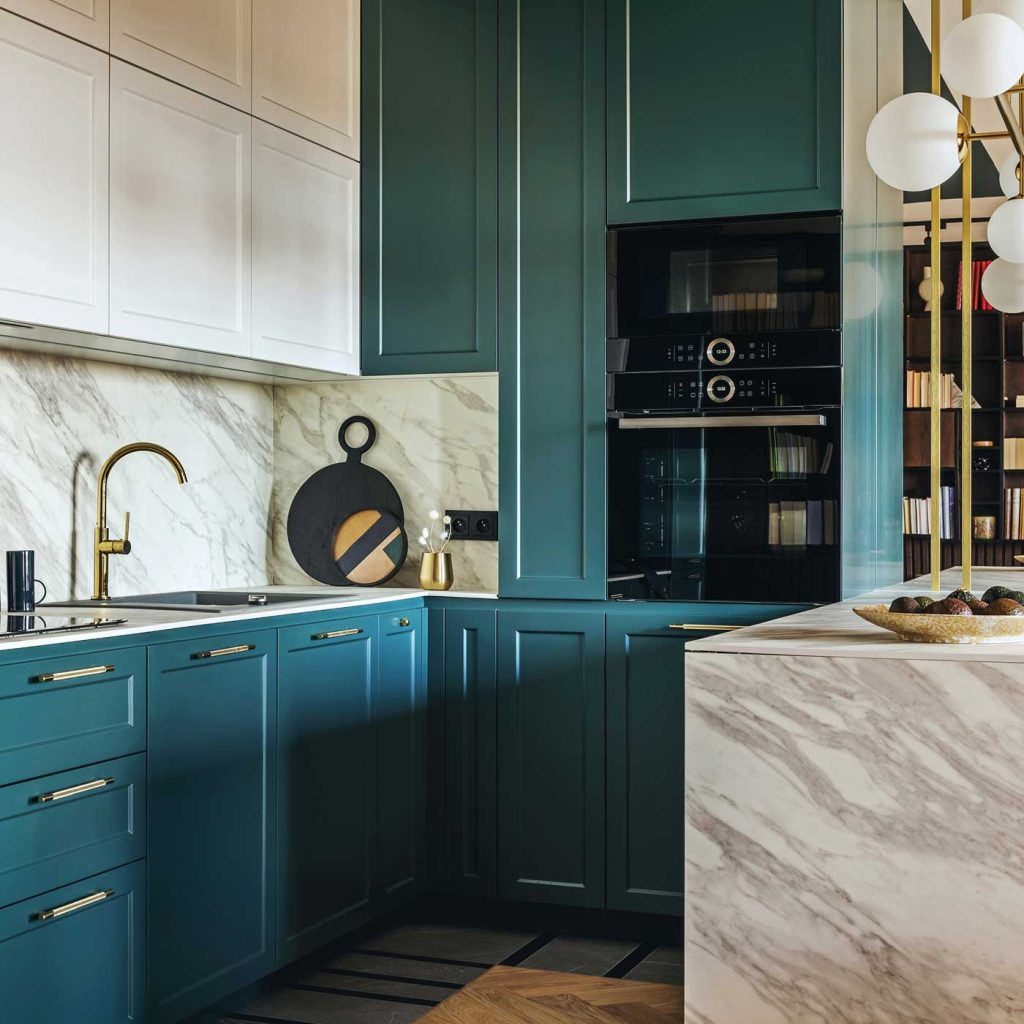
One area where splurging is justified is the worktops. For my kitchen, I chose Dekton by Cosentino, a stellar material known for its durability and sustainable manufacturing process.
Made from waste materials in factories powered entirely by renewable energy, these worktops are not only beautiful but also an environmentally sound choice. Pairing such a high-quality worktop with more affordable cabinetry creates a balanced look that is both luxurious and practical.
Taps are another component where spending a bit more can add long-term value – a high-quality tap not only enhances the kitchen’s functionality but also adds a touch of elegance. An expensive, beautifully-crafted hot water tap, for example, can become a focal point in the kitchen, offering convenience and style in equal measure. I know someone who splashed two grand on a tap, but it provides water in almost all of its guises – hot, cold, filtered, even carbonated!
Personally, as someone raised with a slightly more frugal mindset, I find it difficult to validate excessive spending on what are fundamentally basic needs.
Rather, I’d prefer to focus on handmade elements in a kitchen that will transform a space, infusing it with character, quality and uniqueness.
Ultimately, designing a kitchen should be about finding what works best for your needs and preferences, and by mixing and matching components – selecting some to invest in heavily and others where savings can be made – you can and will create a space that is truly your own.


