


He’s a magnificent broadcaster, gifted gardener, brilliant author and all-round horticultural visionary. This month, Alan Titchmarsh talks about how to keep your grass a gracious shade of green in the summer months.
In the balmy throes of summer, our gardens become places of vibrant activity, not least in the lush carpets of green that are our lawns.
However, without proper care, intense sun can scorch that grass, turning it from a lively green to a tired, straw-like brown. Fear not though, because with a few simple strategies, you can keep your lawn fertile and healthy even through the hottest days.
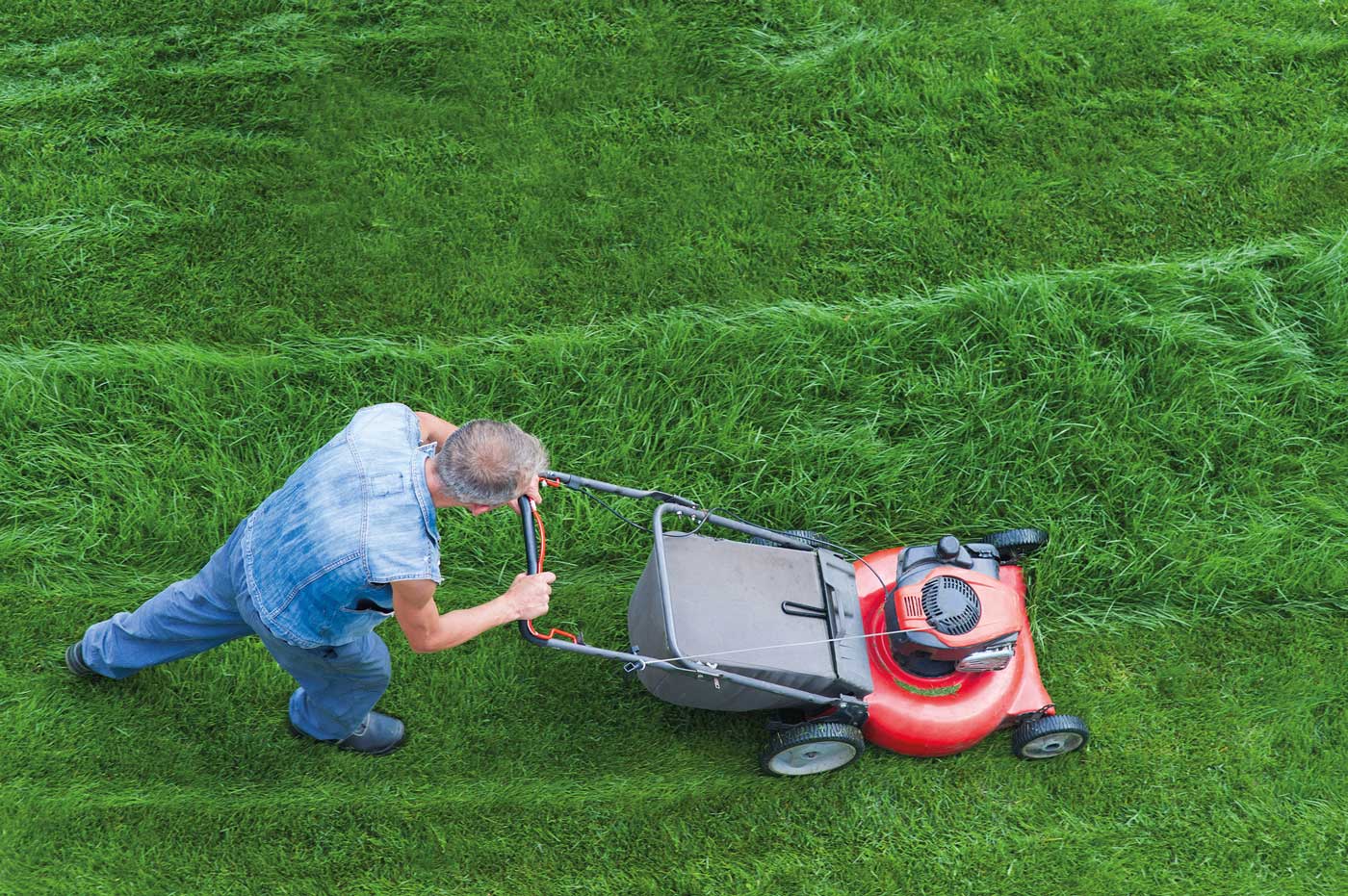
The cornerstone of maintaining a healthy lawn during summer is adequate watering. It’s obvious, but it’s worth stating! It’s vital to water your grass regularly, especially during prolonged dry spells. Timing is crucial – the optimal slot being in the late evening as the sun sets. This allows the water to penetrate deeply into the soil, reaching the roots where it’s most needed, without the risk of evaporation caused by the sun. A thorough soak a few times a week is preferable to daily light sprinklings, which do not reach deeper root systems.
Almost as important as watering your lawn is ensuring that it is well fed. Summer is not just about maintaining moisture levels – nourishing that turf is vital too. A quality lawn feed – applied during early summer – can invigorate your grass, giving it the vital strength it needs to not only survive but thrive during heatwaves. This feeding also helps repair scorched patches and boosts overall health.
I would also suggest that your mowing routine can help protect the lawn. Reduce the frequency to just once a week and also think about setting your mower blades higher. This will leave the grass longer, helping to shade the soil, which in turn aids the retainment of moisture.
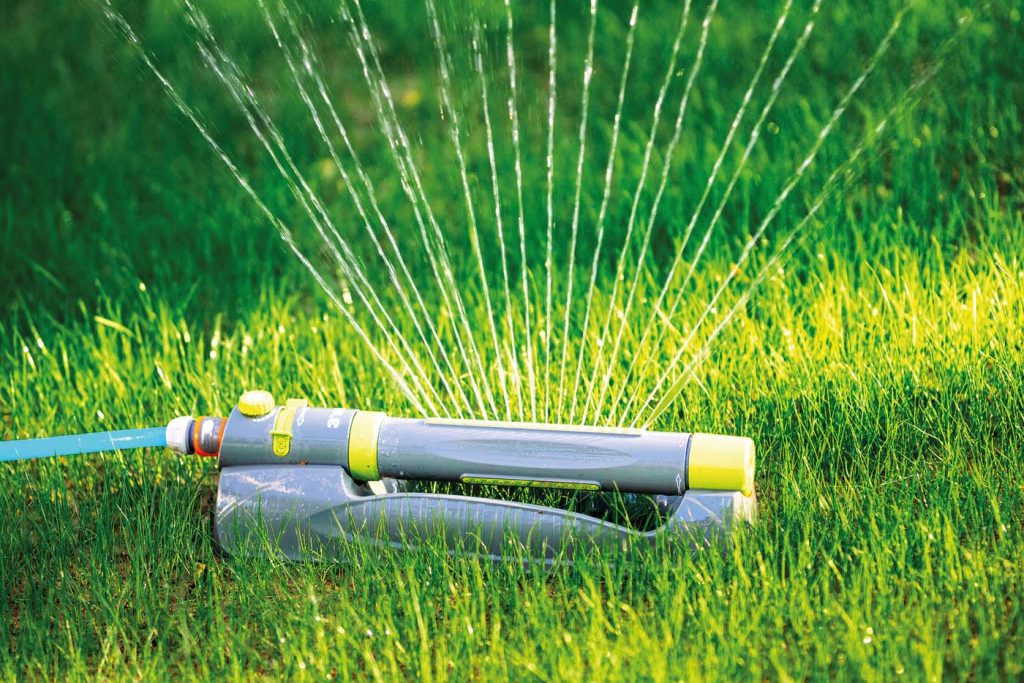
After mowing, leave the grass clippings on the lawn as these will act as a natural mulch, further helping to hold moisture in the soil, as well as keeping the root system cool.
It’s also a good idea to tackle weeds and moss in the lawn. These may look harmless enough, yet every one of them is competing with your grass for crucial resources like water and nutrients.
As a general rule, what you invest at the start will generally be what you’ll find paid back at the end, and there’s perhaps no sight more glorious than a lush, green, healthy and resplendent lawn stretching away from the eye.


